The New Landscape: Data Centers, Rural Identity, and the Infrastructure the AI Demands
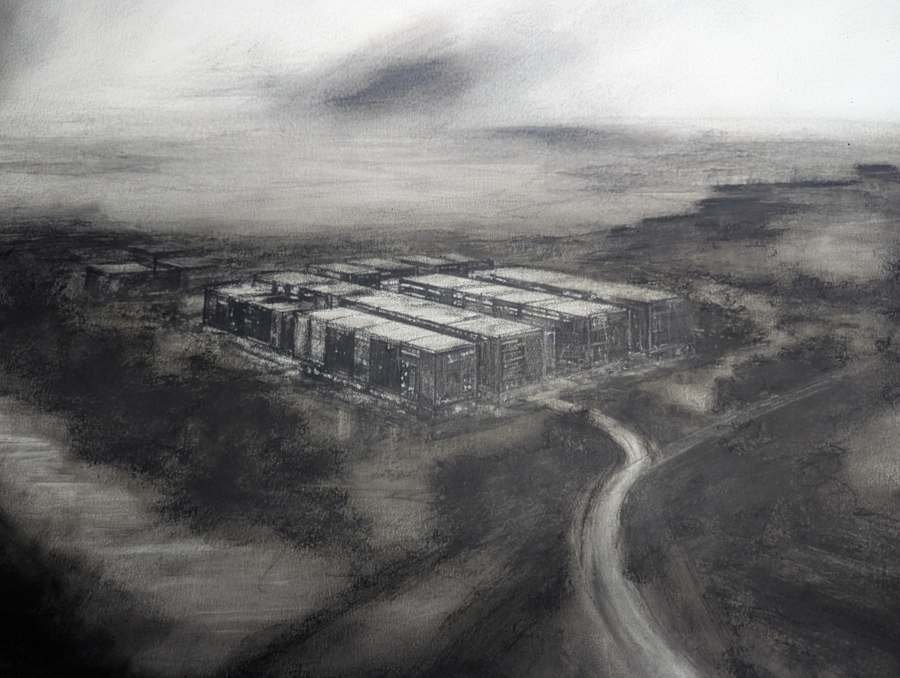
On data centers, rural identity, and the responsibility of building the infrastructure the future demands.
Can Art Become Part of a Company’s Sustainability Story?

Most sustainability work is real but invisible. A sustainability lead recently told me nobody in her office had read the ESG report — not even her own team. Here is what happens when you stop treating reporting and culture as separate departments, and why biochar art might be the most under-used tool in the modern ESG playbook.
10 Ways Companies Are Using Climate Art Beyond Decoration
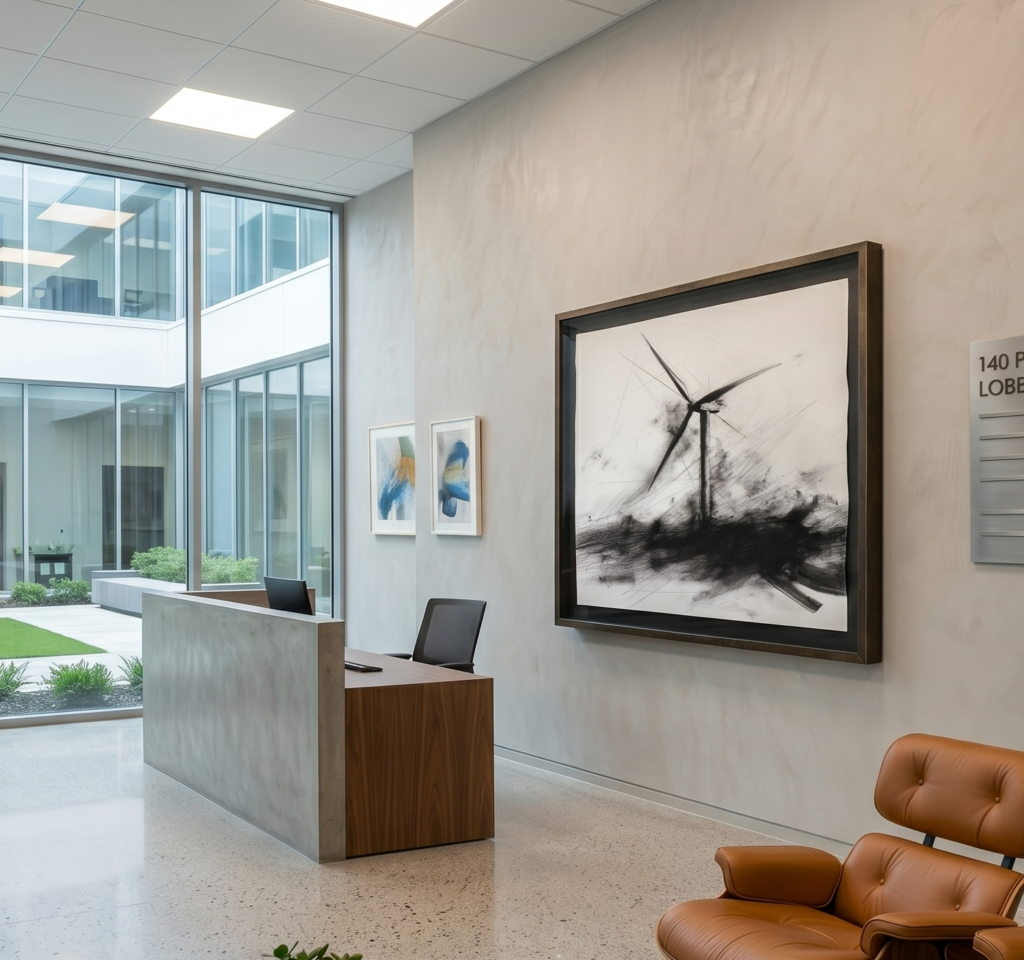
What forward-thinking organizations are doing with their walls, and why it matters more than it sounds By Abhijeet Shrivastava (Abhi) | thecarbonart.com I have been in a lot of corporate offices. And I have noticed something consistent. The walls are full of things that mean nothing. Abstract prints chosen by a facilities team. Photography that could belong to any building in any city. Art that signals “we spent money on this” and nothing else. That is changing. Slowly, but it is changing. Companies are starting to ask a different question. Not “what should our spaces look like?” but “what should our spaces stand for?” That shift is small in language and significant in practice. Because when sustainability becomes central to how a company operates, it eventually has to become central to how a company feels. And right now, for most organizations, there is a gap between what they claim on paper and what you experience when you walk through the door. Climate art is beginning to close that gap. Here are ten ways companies are actually using it. 1. Making sustainability something people can see every day Most sustainability work is invisible. It lives in reports, dashboards, and quarterly updates that most employees never read. Companies invest real resources in climate commitments, and those commitments stay buried in PDFs. Art does not stay buried. When a piece connected to real environmental action hangs in a space where people work, eat lunch, or wait for a meeting, it becomes part of the daily environment. It does not require anyone to open a document. It just exists. And that consistency of presence does something a report cannot do. It makes the commitment feel real. 2. Setting the tone before a single word is spoken What someone sees when they walk into your headquarters communicates something before any meeting begins. Before any handshake. Before any slide deck loads. I have watched this happen with my own work. A piece goes up in a lobby and the conversation changes. Visitors ask questions. Employees stop and look at it differently than they look at generic wall art. Something about knowing the material carries a story shifts how people engage with the space. For companies investing in sustainability, that first impression is worth thinking about carefully. The physical environment is never neutral. 3. Giving ESG a human face ESG frameworks are important. They are also largely impossible to feel. People do not form emotional relationships with metrics. They form relationships with stories, materials, and things they can see and touch. That is not a flaw in human nature. It is just how attention works. Climate art gives sustainability a face. Not a dashboard face. A human one. When a piece in a boardroom or a common area is connected to regenerative agriculture in Kenya, or carbon stabilization through biochar in Iceland, it gives people something to hold onto. A place. A process. A material. Abstract climate goals become something you can point to. 4. Building something memorable around Climate Week A lot of companies host Climate Week events. Most of them follow the same format. Panels. Presentations. A speaker or two. Lunch. People leave and forget most of it by the following week. An installation changes that. Not because it is more educational than a panel. Because it is experienced differently. People move around it, photograph it, ask questions, revisit it. The physical experience stays with you in a way that a slide deck does not. If your goal is for people to actually remember why your climate week mattered, the room needs to feel different, not just sound different. 5. Signaling what kind of future you are building toward Innovation centers are meant to feel like something. They are supposed to tell people: this is where we think about what comes next. Most of them look like every other modern office. Work connected to carbon removal, material innovation, or regenerative systems belongs in these spaces. Not because it is trendy. Because it is genuinely forward-facing. Biochar, for example, is not a legacy material. It is an emerging one. A piece that uses it, and tells that story, fits naturally into a space designed to signal future thinking. The art and the environment reinforce each other. 6. Rethinking the executive gift Most corporate gifts communicate nothing except that someone had a budget to fill. A piece of climate art, connected to a documented environmental outcome, communicates something different. It says: we thought about what you value. It says: this gift did something beyond sitting on a shelf. For clients, partners, or leadership who are genuinely committed to sustainability, that distinction matters. A gift that carries a Certificate of Climate Impact, tied to a specific regenerative initiative, is not just a gesture. It is a contribution. And it is one they will remember and talk about. 7. Creating spaces that reflect what people actually care about Employees are paying attention to where they work. Not just the salary. Not just the title. The environment, the culture, the values they are surrounded by every day. Research on workplace wellbeing is consistent on this. Physical space influences how people feel about their work and their employer. And people increasingly want to work somewhere that takes its environmental responsibility seriously, not just in writing, but in practice. The UN Environment Programme has documented how the built environment shapes both behavior and organizational culture over time. A purpose-driven space is not decoration. It is a signal. It tells people: we thought about what this place should mean. 8. Strengthening the room during investor conversations Physical environment is rarely part of investor relations strategy. It probably should be. When sustainability is central to a company’s growth narrative, the spaces where those conversations happen matter. A boardroom that includes documented climate impact, visible and integrated rather than announced in a brochure, adds a layer of credibility that is hard to manufacture. It is not about impressing anyone. It is about consistency. If
The EU Certified Biochar as Permanent Carbon Removal on February 3, 2026. My Art Uses It.
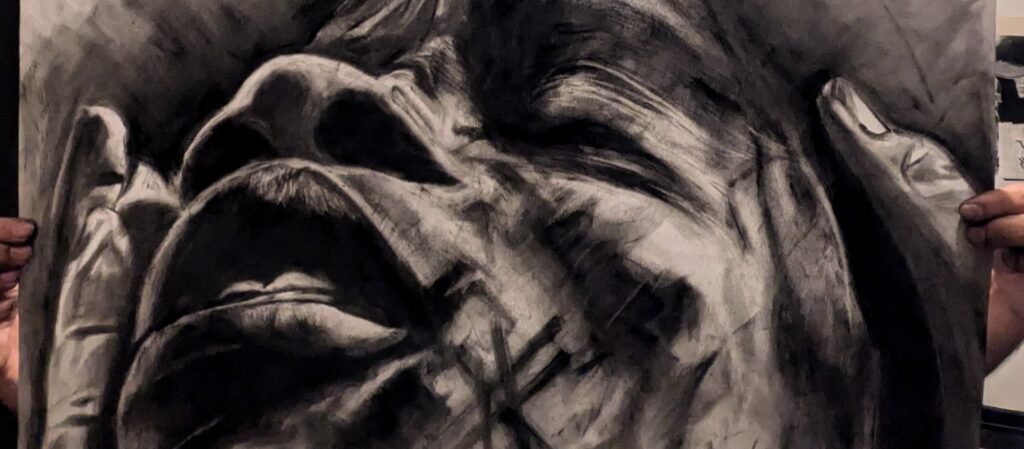
On February 3, 2026, the European Commission did something that has not happened before in the history of carbon policy. It formally adopted biochar as one of only three recognized permanent carbon removal pathways under the world’s first voluntary standard for certifying carbon removals: the Carbon Removals and Carbon Farming Regulation, known as CRCF. The other two pathways were Direct Air Capture with Carbon Storage and Biogenic Carbon Capture and Storage. Both require industrial infrastructure worth hundreds of millions of dollars. Biochar required a kiln and organic material. That is the moment I want to talk about. Not because it validates the work retroactively, though it does. But because it changes what the work means going forward, and what it means for anyone who owns it. What the CRCF actually is The Carbon Removals and Carbon Farming Regulation (Regulation EU 2024/3012) is the EU’s first unified framework for certifying activities that permanently remove CO2 from the atmosphere. It entered into force in December 2024. The first certification methodologies were adopted on February 3, 2026. It is a voluntary framework, but that word undersells what it does. Voluntary means companies are not legally required to participate. It does not mean the standards are soft. The CRCF sets legally grounded rules for: This is the difference between a marketing claim and a regulatory fact. The CRCF turns biochar carbon removal from something producers claim into something the European Union certifies. Why biochar was chosen alongside DACCS and BECCS The three pathways selected for the first CRCF methodology round were not chosen randomly. The Commission chose technologies it described as “very mature” in terms of scientific evidence and real-world deployment. Biochar Carbon Removal (BCR) was selected because the evidence base is strong. When organic material is heated in low-oxygen conditions through pyrolysis, the result is a stable, carbon-dense solid. The carbon does not return to the atmosphere through decomposition. Studies consistently show mean residence times of hundreds to thousands of years depending on feedstock and production conditions. The CRCF methodology for biochar covers exactly what the work at The Carbon Art is built on: documented feedstock sourcing, pyrolysis conditions, carbon content measurement, and chain of custody. The verification frameworks already in use here, Puro.earth and the Verified Carbon Standard, are among the certification schemes that can apply for formal CRCF recognition. What was already verified is now positioned directly within the EU’s regulatory framework. What this means if you own one of these works The biochar in a work from The Carbon Art did not change on February 3, 2026. The carbon sequestered in it has been there since before the piece was made. The certificate that comes with each work documented it. What changed is the institutional context around it. Biochar carbon removal is no longer a practice that requires explanation to auditors, ESG teams, or procurement officers. It now sits inside the same regulatory framework as the most advanced carbon removal technologies in the world. The certificate that accompanies each artwork references standards that are now formally recognized by the European Commission. For collectors who hold these works as part of a broader sustainability commitment, that recognition matters. For corporate buyers who cite the works in CSRD disclosures, CDP submissions, or GRI reports, the CRCF alignment adds a layer of regulatory credibility that was not available twelve months ago. The larger shift: from voluntary market to regulatory infrastructure The carbon removal market has had a credibility problem for years. Credits were self-reported. Methodologies varied. Greenwashing was common and enforcement was limited. The CRCF addresses this directly. It does not replace the voluntary market. It builds a regulatory layer above it, giving buyers a government-backed quality benchmark for the first time. Existing standards like Puro.earth and Verra can apply for CRCF recognition, which means the credits they certify could carry EU endorsement alongside their own verification. Two additional sets of CRCF methodologies are expected later in 2026: one covering carbon farming practices including agroforestry and peatland rewetting, and one covering carbon storage in bio-based construction materials. The Commission is also developing an EU Buyers’ Club to connect certified removal projects with institutional buyers. The market for verified permanent removals is not a future possibility. It is being built right now, with regulatory architecture, and biochar is one of its three founding pillars. What this means for material culture There is a question underneath all of this that the regulatory documents do not address. What does it mean when a material used in creative work is formally recognized as permanent carbon removal infrastructure? I have been thinking about this since February. The answer I keep arriving at is that it changes the category the work belongs to. Not the aesthetic category. The work is still drawing. Still charcoal on paper, still biochar on linen, still the result of decisions made in a studio about line, tone, and surface. But the material is now legally recognized as something that belongs to climate infrastructure. The same substance that the EU certifies as permanent removal is what I apply to a surface, measure, document, and send out into the world with a certificate. That is a different kind of art object than the field has had before. Not because I say so. Because the European Commission says so, in Regulation EU 2024/3012, adopted February 3, 2026. Frequently asked questions What is the EU CRCF and how does it relate to biochar? The CRCF (Carbon Removals and Carbon Farming Regulation) is the EU’s first framework for certifying activities that permanently remove CO2. On February 3, 2026, it formally adopted Biochar Carbon Removal (BCR) as one of only three recognized permanent removal pathways, alongside Direct Air Capture and Biogenic Carbon Capture and Storage. The methodology defines how biochar removals are measured, verified, and certified under EU law. Does CRCF certification make biochar artwork more credible for ESG reporting? Yes. Works from The Carbon Art are verified against Puro.earth and VCS standards, both of which can apply for
Biochar Art: The Intersection of Carbon Sequestration and Fine Art
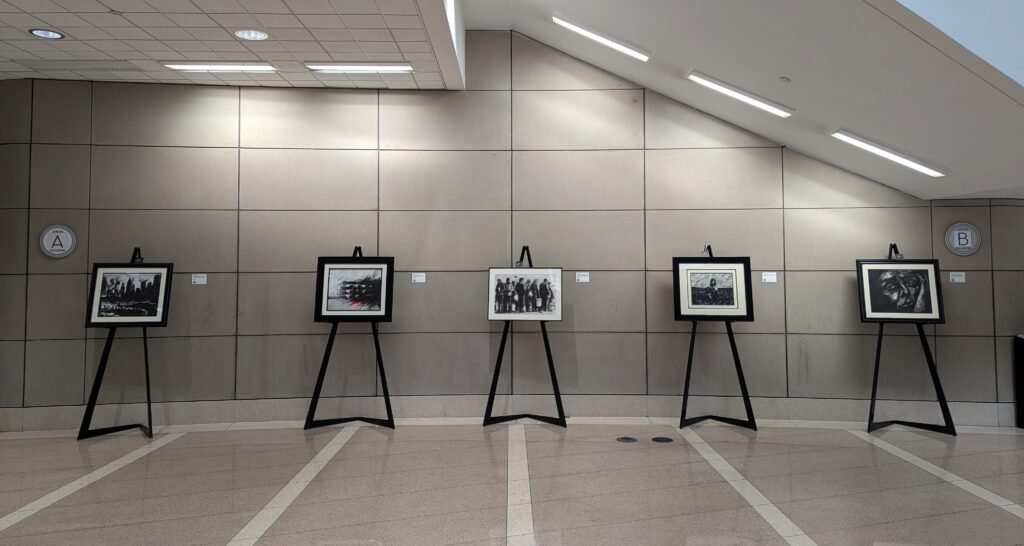
At The Carbon Art, the medium is the message. Each limited-edition work by Abhijeet Shrivastava is created using charcoal, biochar, or a combination of both, sometimes alongside mixed-media elements, with biochar serving as the defining material that connects the work to documented carbon removal. The art is not simply climate-themed. In works where biochar is present, the carbon has been physically removed from the atmosphere and transformed into pigment, mark, and form. What Is Biochar Art? Biochar art is an emerging category of fine art in which biochar, a stable carbon-rich material produced by heating organic matter in a low-oxygen environment through a process called pyrolysis, is used as a primary or significant medium. The result is a charcoal-like substance that locks atmospheric carbon into a solid form for hundreds to thousands of years. Abhijeet’s practice spans pure charcoal works, biochar-based drawings and paintings, and mixed-media compositions that combine both. What unites them is a commitment to material honesty: the carbon content of each work is documented, and where biochar is used, that carbon has been permanently sequestered from the atmosphere. Charcoal, Biochar, and Mixed Media: What Is the Difference? Traditional charcoal has been a fine art medium for centuries. It is produced by burning wood in a low-oxygen environment, resulting in a carbon-rich drawing material prized for its depth and range. Biochar undergoes a similar process, pyrolysis, but is derived from agricultural or organic waste and is specifically engineered for carbon stability. Where charcoal is primarily an art material, biochar is simultaneously an art material and a climate tool. Works in the collection vary in their composition. Some are executed entirely in charcoal, drawing on a deep fine art tradition. Others incorporate biochar as pigment, ground, or structural element. Many combine both, along with other mixed-media components. Each work’s material composition is documented individually. The carbon content is a function of what is in the piece, not a blanket claim applied across the collection. How Biochar Sequesters Carbon When organic matter decomposes naturally, it releases CO2 back into the atmosphere. Pyrolysis short-circuits this cycle: the carbon is converted into a stable crystalline structure that resists biological decomposition. Scientific studies estimate biochar remains stable in soil or solid form for over 1,000 years, making it one of the most durable carbon sequestration methods available. Unlike carbon offsets, which represent a promise of future carbon reduction, biochar represents carbon that has already been removed and permanently stabilised. This distinction matters for ESG reporting, Scope 3 emissions accounting, and climate investment frameworks that require permanence and verifiability. Why Fine Art and Carbon Removal Belong Together Art that engages with climate tends to do so through subject matter: paintings of glaciers, photographs of flooded coastlines, sculptures assembled from waste. The Carbon Art takes a different position. The climate action is in the material itself, not the image. A charcoal work carries the weight of a centuries-old tradition. A biochar work carries that tradition and the carbon. Abhijeet’s training at Columbia University’s Graduate School of Architecture, Planning and Preservation (GSAPP) informs this thinking. The built environment, materials, and their ecological consequences are not separate from design. They are design. The same principle applies to fine art: what a work is made from is inseparable from what it means. Why ESG Collectors and Corporations Are Acquiring This Work For sustainability-focused corporations, works that incorporate biochar offer something no traditional acquisition can: a tangible, permanent, and displayable object with documented carbon removal. As ESG frameworks mature and greenwashing scrutiny intensifies, acquiring art that contains sequestered carbon provides both aesthetic value and credible climate action documentation. Private collectors drawn to this body of work are typically motivated by the convergence of rarity and purpose. These are limited-edition works, not prints, not mass-produced objects, created at the intersection of artistic mastery, material history, and climate science. Explore our corporate ESG art acquisition programme or browse the full limited-edition artwork collection. The Artist: Abhijeet Shrivastava Abhijeet Shrivastava is the founder of The Carbon Art. Trained at Columbia GSAPP and recognised by the White House for his climate art work, he has developed a practice that treats carbon, in charcoal, in biochar, and in the spaces between, as both medium and argument. His works are in private collections and have been exhibited internationally. Learn more about the artist or get in touch directly.
When You Buy Art, the Earth Remembers
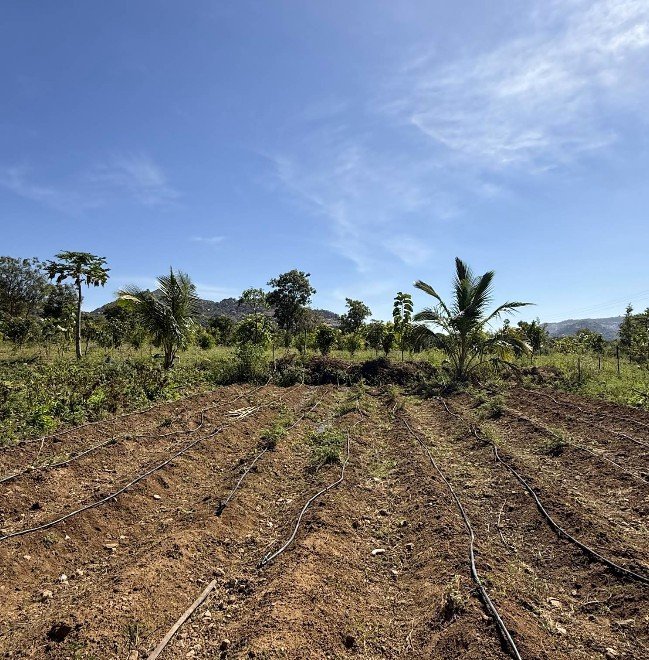
When You Buy Art, the Earth Remembers | The Carbon Art The Carbon Art Climate Impact Patronage Essay · The Carbon Art When You Buy Art,the Earth Remembers A new kind of collecting is taking shape — one where the art on your wall and the soil on working farmland are part of the same story. This is not charity. This is what legacy looks like. Climate Art Regenerative Agriculture Biochar Environmental Impact Collecting For centuries, collectors have shaped culture. Patrons built cathedrals, funded scientists, and established the institutions that still define how we understand the world. Today, a new form of patronage is quietly taking shape — one that turns the act of acquiring art into a measurable contribution to the planet we all share. This is not a donation. It is not a symbolic gesture. It is something more precise, more verifiable, and ultimately more meaningful: a direct connection between creative acquisition and real environmental work on the ground, carried out by real farmers in real places. Part One From Symbolism to Soil Environmental art has always raised awareness. That role matters and will continue to matter. But awareness alone does not restore degraded land, rebuild soil health, or pull carbon out of the atmosphere. The collectors, corporate leaders, and institutions that are shaping tomorrow are increasingly looking for something more concrete: outcomes they can point to, document, and stand behind. When an artwork is materially tied to regenerative agriculture, those outcomes become real. An acquisition through The Carbon Art can support the application of biochar to working farmland, restore soil microbial life, improve water retention, and lock carbon into the earth for hundreds of years. These are not projections. They are documented results — traceable, verifiable, and the kind that belong in an impact report or a board presentation. Collectors are no longer simply purchasing objects. They are participating in outcomes that will outlast them. That precision is what separates this model from traditional philanthropy. It is what makes it credible to people who think carefully about where their name goes and what it stands for. Part Two The Work Happening on the Ground Farmers at work on supported farmland. Biochar applied to soil rows improves fertility, water retention, and long-term carbon storage. When you look at this photograph, you are looking at the impact chain in action. Two farmers carry biochar compost across freshly prepared soil. Young plants stand in rows that stretch toward open hills. The dark marks across the earth are biochar application lines — carbon being returned to the ground where it can do its work quietly and permanently. This is the kind of scene that does not appear in most art transactions. But at The Carbon Art, it is exactly what happens when a collector acquires a work. The purchase funds this. The soil is the outcome. The farmer is the bridge between the art on your wall and the environment you care about. Biochar application increases soil fertility, improves crop yields, helps farming communities build resilience against drought, and stores carbon in the earth for centuries. The people who steward this land benefit directly — not as recipients of charity, but as partners in a system that works. Part Three How the Model Works Every acquisition follows a clear and transparent pathway from purchase to proven environmental outcome. It is designed to be simple, auditable, and easy to communicate — because the buyers and institutions who matter most to this work need all three. How Your Acquisition Creates Impact 1 You acquire the artwork The work is created using carbon-based materials, physically locking carbon inside the object you bring into your collection. 2 Impact funding is released A defined portion of every acquisition goes directly to regenerative agriculture on working farmland. No intermediaries, no ambiguity. 3 Biochar reaches the farmers Biochar compost is delivered and applied to the soil. Fertility improves. Crops grow stronger. Carbon is locked into the earth for the long term. 4 The outcome is documented The environmental result is recorded. You receive proof of what your acquisition made possible — not a promise of what it might do. 5 Your contribution is recognised Your participation in this climate legacy is acknowledged in a way that is yours to keep, display, or include in your reporting. Part Four What Carbon in a Bowl Means Biochar ready for application. This carbon-rich material improves soil health and stores carbon for hundreds of years. Those dark, irregular pieces are biochar — a form of carbon made by heating organic matter in a low-oxygen environment. It does not break down. Applied to soil, it creates stable pockets where nutrients and water collect, where microbial life flourishes, and where carbon remains locked away from the atmosphere for centuries. Biochar is also the material at the heart of The Carbon Art’s creative practice. The same substance that ends up in this bowl and in the earth also appears in the artworks themselves. That connection is not coincidental. It is the whole point. The object you acquire and the impact it creates share the same material origin. The carbon that was once a problem becomes the medium of an artwork — and then returns to the earth as part of the solution. The story goes full circle, from atmosphere to art to soil. Part Five What Every Collector Receives The most overlooked dimension in environmental giving is the collector’s experience. When a thoughtful person or institution associates their name with a cause, they are doing more than being generous. They are making a public statement about what they believe in and what they want to be remembered for. The Carbon Art is built to honour that fully. Certificate of Impact and Authenticity The ArtworkAn original carbon-sequestering work Impact CertificateDocumented proof of environmental action taken TraceabilityRegion, farming practice, and outcome on record Ongoing ReportingUpdates on the farmland your acquisition supported Collector RecognitionNamed participation in a growing climate legacy This is not a receipt. It is
Sustainability Reporting Season Is Here. Are You Showing Climate Action or Just Reporting It?
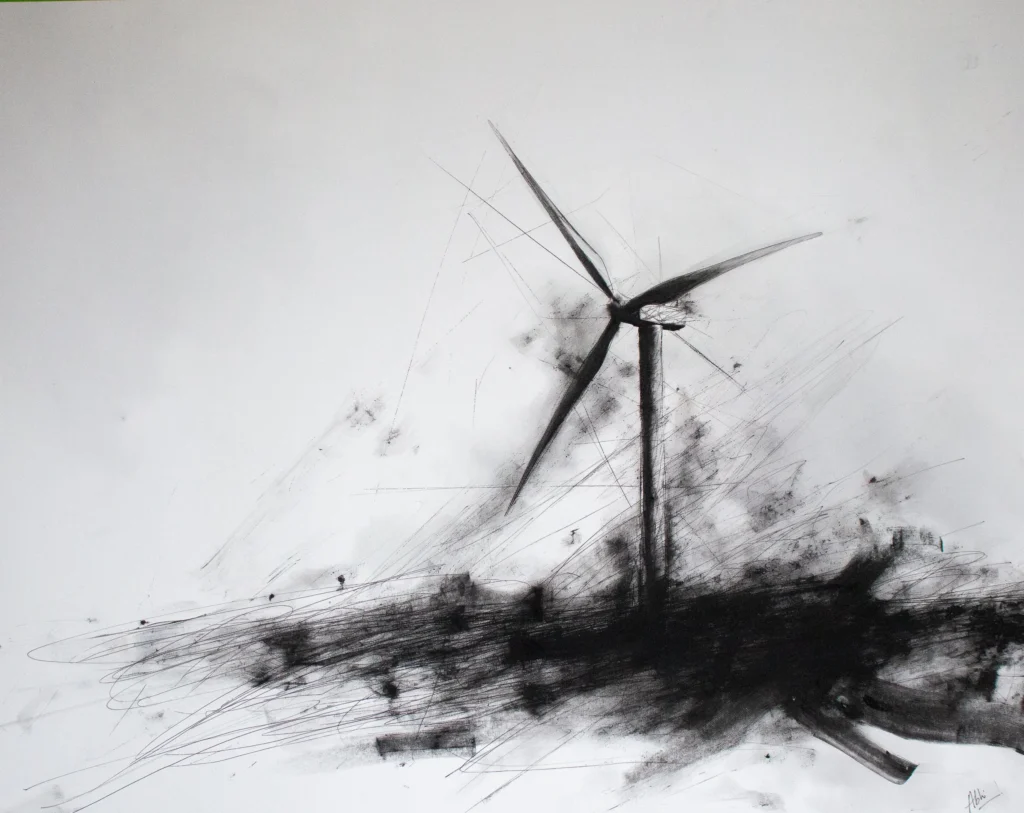
Every year, sustainability teams enter one of the most scrutinized stretches in their calendar. Disclosures are due. Frameworks are demanding more. Investors, auditors, and employees are asking the same question with increasing urgency: what are you actually doing about climate change? In 2026, that question is harder to deflect than ever. CSRD is entering force across the EU. ISSB-aligned reporting is now mandatory in China, Hong Kong, Singapore, and Japan. The UK is phasing in its own UK Sustainability Reporting Standards (UK SRS). The EU’s Carbon Border Adjustment Mechanism (CBAM) is imposing real costs on carbon-intensive supply chains. And ESG ratings from MSCI and Sustainalytics are increasingly driving procurement and investment decisions. Across all of these frameworks, one theme keeps surfacing: credible, visible, verifiable climate action. Not targets. Not intentions. Evidence. This is where carbon-sequestering art offers something most sustainability initiatives cannot: a way to bundle verified carbon removal, stakeholder visibility, and employee engagement into a single physical asset that works across every major reporting framework at once. The 2026 sustainability reporting landscape: what has changed The reporting environment in 2026 is meaningfully different from two years ago. Here is what ESG leaders are navigating right now. CSRD: from voluntary to mandatory in the EU The Corporate Sustainability Reporting Directive (CSRD) requires large EU companies and EU-listed firms to disclose detailed sustainability information under the European Sustainability Reporting Standards (ESRS). Even after the 2025 Omnibus reform narrowed its scope, CSRD remains one of the most comprehensive mandatory ESG disclosure regimes in the world. It demands evidence of integration: how sustainability shows up in governance, strategy, operations, and stakeholder engagement, not just in a spreadsheet. ISSB: the new global baseline The International Sustainability Standards Board (ISSB) released IFRS S1 and S2 in 2023, and 2026 marks their first year of mandatory application in several major economies. China, Hong Kong, Singapore, and Japan are all phasing in ISSB-aligned requirements this year. These standards connect climate disclosure directly to financial materiality, pushing companies to show how climate risks and actions relate to long-term business value. CDP: raising the bar on evidence The CDP questionnaire now explicitly rewards specificity and evidence over intention. High scores come from demonstrating how climate action is embedded into culture, governance, and operations. Organizations need more than a carbon target to score well. They need concrete actions they can point to, describe, and document. GRI, TCFD, SASB: the established layer GRI Standards, TCFD, and SASB continue to form the backbone of voluntary and semi-voluntary ESG disclosure. Together they ask companies to demonstrate material environmental impact, how climate risk is integrated into strategy, and how sustainability performance connects to business outcomes. All three reward initiatives that are stakeholder-facing and communicable, not just technically compliant. CBAM: carbon is now a trade issue The EU’s Carbon Border Adjustment Mechanism entered its definitive phase in 2026. For companies with carbon-intensive supply chains, carbon intensity is now a cost of market access, not just a reputational consideration. Demonstrated carbon removal and credible carbon management are becoming procurement differentiators at the corporate level. In 2026, ESG compliance is no longer a check-the-box exercise. Companies are expected to operationalize sustainability through systems, controls, and evidence-based reporting, with verified actions that stakeholders can actually see. The core problem: climate action that no one can see Most organizations investing seriously in climate action share a structural problem. The work is real. The impact is genuine. But it is entirely invisible to the people who encounter it every day. These are real commitments. But stakeholders, employees, and visitors rarely encounter them in the course of a normal day. That gap between action and visibility is now a strategic liability, not just a communications gap. As anti-greenwashing enforcement tightens across the EU and UK, the pressure is shifting toward demonstrable action. Stating a commitment is no longer sufficient. You need to show where the climate action actually is. What verified carbon removal art is, and why it matters for ESG Carbon-sequestering art is fine art made with biochar: organic material that has been pyrolyzed (heated without oxygen) into a stable carbon form that does not return to the atmosphere. Each work contains a measured, documented quantity of sequestered carbon, verified against standards used in institutional carbon markets. Biochar-based carbon removal is recognized under the Verified Carbon Standard (VCS) and Puro.earth, two of the most credible frameworks in the voluntary carbon market. The carbon sequestered in a verified artwork occupies the same credibility space as a purchased carbon credit, with one critical difference: it is permanent, physical, and present in your own facility. Each work from The Carbon Art comes with a certificate documenting the biochar source (country, feedstock, pyrolysis method), the weight of biochar used, the verified carbon content percentage, and the total CO2-equivalent sequestered. That certificate is citable in sustainability reports, shareable with auditors, and referenceable in investor communications. How it maps to each reporting framework CDP Carbon-sequestering art supports the CDP sections on climate actions, carbon removal strategies, employee engagement, and sustainability culture. The certificate provides documentation for carbon management narratives. The physical presence of the work in shared spaces provides evidence of cultural integration. CSRD / ESRS Under CSRD’s ESRS E1 (Climate Change) and ESRS S1 (Own Workforce), organizations must disclose both environmental actions and how sustainability is embedded into workforce culture and daily operations. A verified carbon removal artwork installed in a shared space supports both disclosure areas: it is a documented environmental action and a visible cultural signal. ISSB / IFRS S2 IFRS S2 asks how climate-related risks and opportunities are integrated into strategy and decision-making. A biochar artwork acquisition with verified carbon removal documentation demonstrates active carbon management and can be cited as evidence of climate strategy implementation at the operational level. GRI Standards GRI 305 (Emissions) and GRI 413 (Local Communities) both benefit from initiatives with documented environmental impact and stakeholder engagement dimensions. A carbon-sequestering artwork in a workplace setting supports both, with the certificate providing the quantitative data GRI disclosures require.
Climate Art Exhibitions: A Decade of Showing Carbon as a Medium
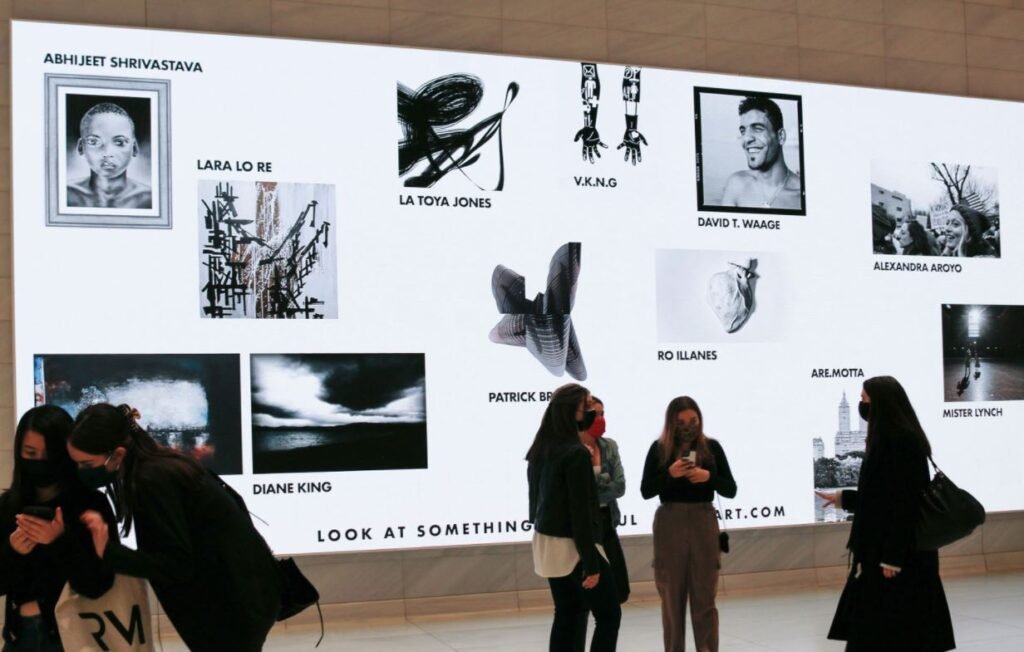
I’ve been making art with charcoal for over thirteen years. For most of that time the work was about climate. But the material itself wasn’t doing anything about it. That changed when I started working with biochar. Biochar is carbon that was pulled from the atmosphere, transformed through heat, and locked into a stable form that won’t release for hundreds of years. When I started embedding it into my work, the artwork stopped being a symbol of climate action and became one. That distinction has shaped every exhibition since. This is a record of where the work has been shown, what those shows meant, and what I’ve learned about talking about carbon in rooms that aren’t used to it. The Oculus, New York City Showing at the Oculus, the Westfield World Trade Center atrium, was the first time the work reached a genuinely public audience. Not a gallery audience that came prepared to engage with art. Commuters, tourists, office workers, people who weren’t expecting to stop. What I noticed: the charcoal drawings stopped people in a way that color work doesn’t. There’s something about monochrome that forces you to look harder. And when people learned the medium was biochar, carbon pulled from the atmosphere and physically embedded in the piece, the conversation changed completely. It stopped being about aesthetics and became about material reality. That’s the conversation I’ve been chasing ever since. MvVO Art Gallery, New York MvVO gave the work its first proper gallery context, a curated space where collectors and institutions come specifically to engage with contemporary art. It was here that I started to understand who the real audience for this work is. It’s not just environmentalists. It’s people who collect seriously and want their collection to mean something beyond the wall it hangs on. Corporate buyers whose organizations have made sustainability commitments and want physical proof of that commitment, not just a donation receipt. And individual collectors who’ve been following climate science long enough to be past the point of symbolic gestures. The biochar work speaks to all of them differently, but it speaks. Saatchi Art and Artsy Representation on Saatchi Art and Artsy opened the work to international collectors in a way physical exhibitions can’t. The geographic spread of interest has been striking. Buyers and inquiries from Europe, the Gulf, Southeast Asia. Carbon markets are global. The conversation about what to do with captured carbon is global. The art is following that conversation. Both platforms have also been important for credibility. When a collector or institution is evaluating whether to acquire a piece, being represented on Saatchi Art alongside established artists matters. It places the work in a context they already trust. 30+ Global Exhibitions Over thirty exhibitions across different countries and contexts have taught me one consistent thing. The people who respond most strongly to this work are the ones who already understand the carbon problem and have been frustrated by the gap between awareness and action. A charcoal and biochar artwork doesn’t close that gap by itself. But it makes it tangible in a way that data and policy language can’t. You can stand in front of it. You can own it. The carbon is physically there, in the piece, in your room. That’s not metaphor. That’s materials science. ClimateTech Connect 2026, Washington D.C. The most recent show, ClimateTech Connect 2026 at the Gaylord National in April 2026, was the first time I showed exclusively in a climate technology context. Surrounded by carbon monitoring platforms, satellite data companies, and reinsurance firms mapping physical climate risk. It was the right room. These are people who think about carbon quantitatively, not symbolically. When I told people from Munich Re and Milliman that each piece contains a documented, verified quantity of sequestered carbon with a certificate tied to real farm outcomes, they understood immediately. This is carbon that behaves like an asset. The art is almost secondary, except that it’s not, because the art is what makes you want to own it. That tension between the aesthetic object and the carbon instrument is where the work lives now. What Exhibition History Actually Tells You Thirteen years. Thirty plus shows. A gallery on the Lower East Side and a transit hub at the World Trade Center and a climate tech conference in Washington. What I know now that I didn’t know at the start: the medium is the message, but only if the medium is doing something real. Charcoal and biochar aren’t interesting because they’re unusual. They’re interesting because they’re carbon, the same element that’s destabilizing the climate, made into something you’d want to hang on your wall. If you’re a collector, institution, or organization thinking about what it means to own a piece of that, the collection is here. If you’re a journalist, researcher, or fellow artist who wants to talk about the practice, I’m here.
What Is Carbon-Sequestering Art? The Complete Guide for Collectors
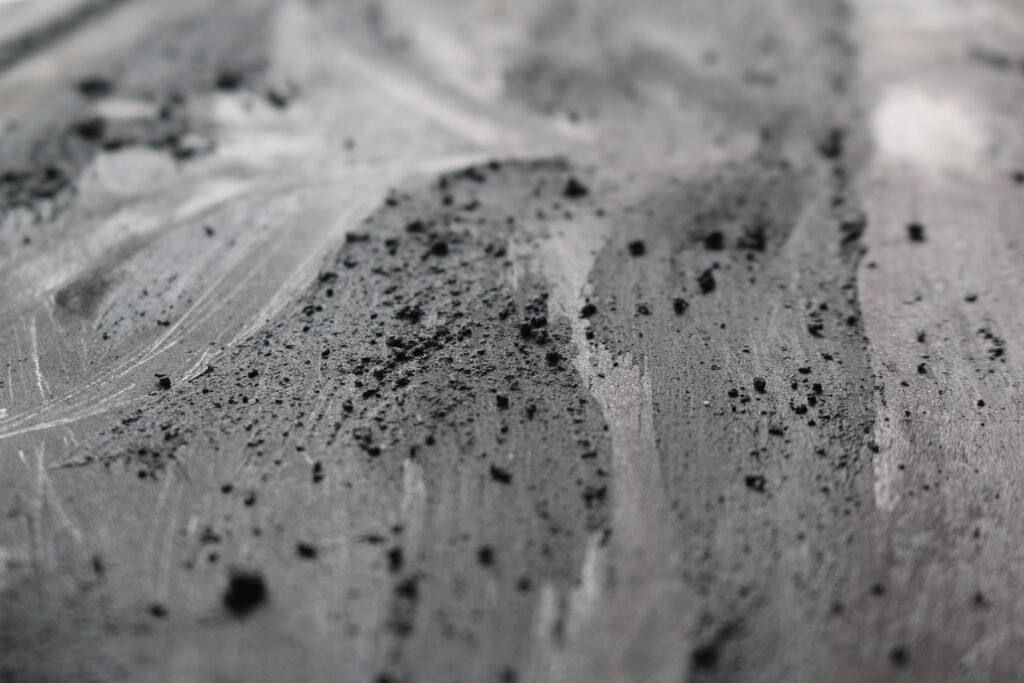
Carbon-sequestering art uses biochar and charcoal to permanently store atmospheric carbon inside the artwork itself. Learn how it works, why it matters, and what to look for when buying — from a White House-recognized climate artist.
What Is Biochar Art? How Carbon-Storing Materials Create Climate Artworks
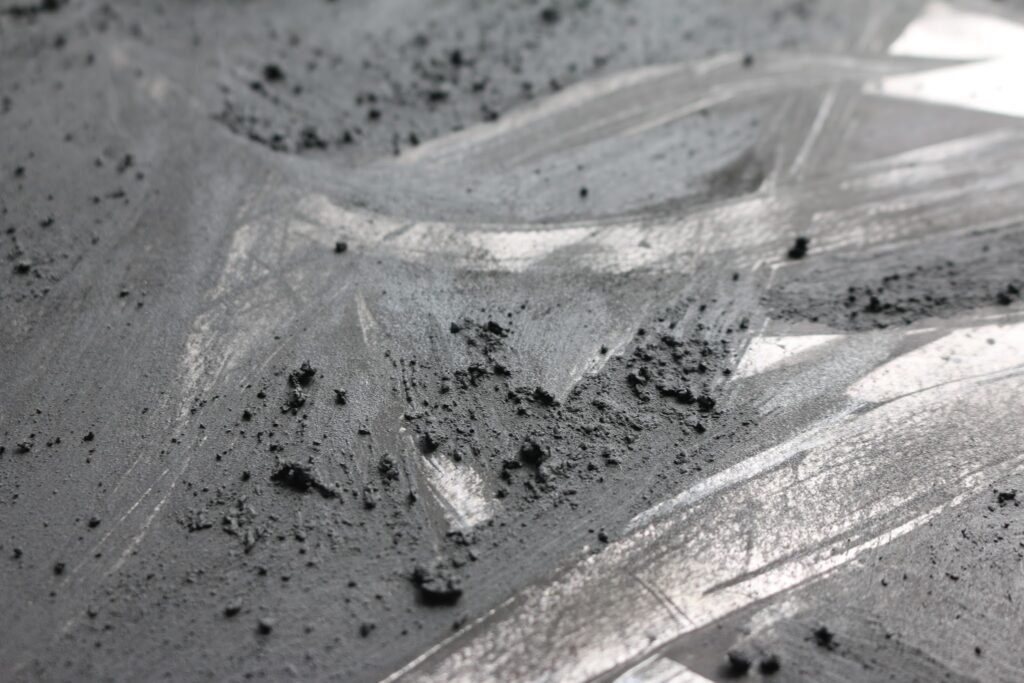
Most art is made with pigment, canvas, or light. This work is made with carbon that has been permanently removed from the atmosphere — and locked inside the artwork itself. Carbon is a story about time Trees are extraordinary. Over decades, they draw carbon dioxide out of the air and lock it into their wood through photosynthesis. But when a tree dies — or when we burn wood for fuel — most of that carbon goes right back into the atmosphere within years or decades. Biochar changes that timeline entirely. When organic material — agricultural waste, wood chips, coconut shells — is heated in a low-oxygen environment through a process called pyrolysis, something remarkable happens. The carbon doesn’t combust. Instead, it transforms. The volatile compounds burn away, but the carbon skeleton crystallizes into a stable, porous structure that is chemically resistant to decomposition. The result is a dense, dark material that looks like fine charcoal. It is, at its core, a molecular archive — carbon atoms locked into a lattice that resists biological breakdown. Soil microbes cannot meaningfully consume it. Rain cannot wash it away. Time, on a human scale, barely touches it. Scientists estimate that biochar retains its carbon content for between 1,000 and 3,000 years under typical environmental conditions — compared to roughly 5–10 years for unprocessed organic matter left to decompose. “The carbon in this artwork was already removed from the atmosphere before the piece was ever made. It is not a promise. It is already done.” Currently available at the studio. From atmospheric CO₂ to permanent artwork 01 · Carbon enters the plant Biomass — agricultural residues, coconut husks, wood waste from Kenya, India, and Iceland — absorbs CO₂ from the air as it grows. Photosynthesis stores that carbon in organic matter. 02 · Pyrolysis transforms it Heated in a closed, oxygen-limited kiln, the organic material undergoes pyrolysis. Hydrogen and oxygen are driven off as gas. What remains is a carbon-rich skeleton — stable, porous, and dark. 03 · The medium is sourced The Carbon Art sources verified biochar from partner networks with transparent chain-of-custody documentation. The carbon mass embedded in each artwork is quantified and certified. 04 · The artwork is the vessel Biochar is blended into drawing media and worked directly onto archival surfaces using traditional charcoal techniques. The artwork is the sequestration vessel. Collection is custody. Goods for the home, by our artisans. The canvas holds what the atmosphere no longer does The formal language of The Carbon Art is monochromatic — pure black, gradients of grey, the deep texture of carbon on archival paper. It is deliberately stark. The palette is not an aesthetic choice alone. It is an honest one: the work is made from carbon, and carbon is black. Each drawing begins not with a sketch but with material decisions. How much biochar is in this piece? From which source? What does its origin — geothermal biomass from Iceland, agricultural waste from rural Kenya — bring to the surface, literally and conceptually? Working with biochar as a drawing medium is demanding. It does not behave like artist-grade charcoal. It is coarser, more unpredictable, more mineral than vegetal. The resistance of the material becomes part of the image — marks that record both the gesture of the hand and the history of the molecule. What emerges is an artwork that carries a verifiable environmental claim — not as a tag or a label, but as a physical fact embedded in its surface. To own it is to hold the carbon. To display it is to demonstrate that removal. Environmental Impact Each work ships with a Certificate of Impact documenting the carbon mass embedded in the piece, its biochar source and origin, and the estimated permanence window. Suitable for ESG reporting, sustainability disclosures, and institutional acquisitions. → Explore the Impact Framework Collect Original works and limited edition prints are available in multiple formats. Each purchase transfers custody of sequestered carbon that has already been permanently removed from the atmosphere. The artwork is the sequestration. Collection is stewardship.. → View the Sequestered Cycles Collection Biochar permanence data is drawn from peer-reviewed literature including Lehmann et al. (2015) and the International Biochar Initiative. Source verification and chain-of-custody documentation is available upon request for all institutional acquisitions. Learn more on our Impact page. Let’s create something beautiful together. Share & follow Where to find biochar art The Carbon Art is one of the few fine art practices in the world built entirely around biochar and charcoal as primary media. Every piece in the collection is made with carbon-sequestering materials and ships with a verified Certificate of Climate Impact. Limited editions of 15 per work. Explore the full collection here or get in touch for collector and corporate inquiries.
Top 10 Climate Change Artists in America Making Real Impact
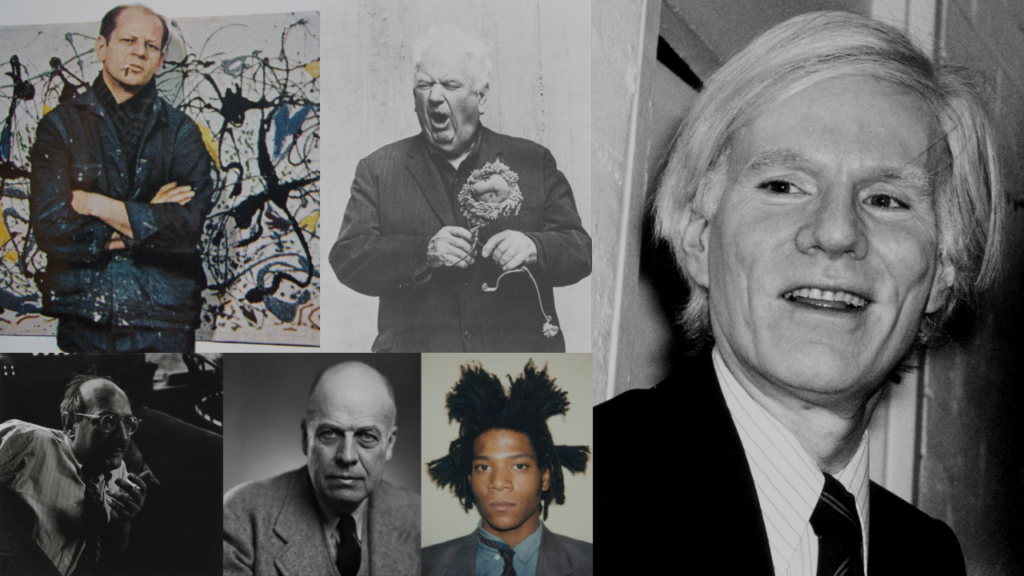
Climate change has reshaped how artists think about their work. Some represent the crisis visually. Others go further and embed environmental action into the materials, processes, and outcomes of their practice. These are American artists doing both: making work that is visually powerful and environmentally intentional. Artists leading the climate conversation in America 1. Andy Goldsworthy Goldsworthy’s land art uses natural materials in their native environments, celebrating the impermanence of nature and drawing attention to what we stand to lose. His work has influenced generations of environmental artists. 2. Wangechi Mutu Kenyan-American artist Mutu explores the relationship between humanity, nature, and environmental exploitation. Her mixed media work often confronts industrial damage to ecosystems and the human cost of resource extraction. 3. Subhankar Banerjee Banerjee’s documentary photography of the Arctic has become a touchstone for climate advocacy. His images of wildlife and indigenous communities threatened by oil exploration brought the issue to Congress and international media. 4. Neri Oxman A pioneering figure at the intersection of design and biology, Oxman developed “Material Ecology” — a practice that designs objects the way nature builds them: from the bottom up, using living systems and minimal waste. 5. Edward Burtynsky Burtynsky photographs the scale of industrial transformation on the planet’s surface. Oil fields, mining operations, and ship-breaking yards become landscapes of sobering beauty and environmental reckoning in his lens. 6. Andrea Polli Polli translates climate data into sound and immersive installations, making abstract scientific measurements tangible and emotional. Her work bridges data science and public art in unusual and affecting ways. 7. Agnes Denes Denes planted a two-acre wheat field in lower Manhattan in 1982. That project, Wheatfield: A Confrontation, remains one of the most cited works of environmental art ever made. She has continued to develop large-scale ecological interventions for decades since. 8. Olafur Eliasson Danish-Icelandic but deeply embedded in American institutional art, Eliasson uses light, water, and natural phenomena to create immersive experiences that make visitors feel connected to the natural world. His studio is also a model of sustainable practice. 9. Maya Lin The designer of the Vietnam Veterans Memorial has spent recent decades on her “What Is Missing?” project, a memorial to biodiversity loss and the sixth mass extinction. Her work integrates architecture, ecology, and grief in equal measure. 10. Abhijeet Shrivastava (Abhi) White House-recognized climate artist and sustainability strategist Abhi creates limited edition charcoal and biochar artworks that do not just represent climate change — they physically sequester carbon. Each piece in The Carbon Art collection is made with biochar embedded directly into the artwork, permanently storing atmospheric carbon. Each purchase also funds verified biochar compost delivery to regenerative farms in Kenya and India. What climate art can do that other climate communication cannot Reports, data, and policy documents are essential. But they reach people who are already paying attention. Art reaches everyone else. It creates emotional entry points into conversations that statistics alone cannot open. The artists above represent a growing understanding that art’s role in the climate crisis is not merely illustrative. It can be participatory, regenerative, and materially meaningful. For collectors interested in bringing that intention into their own spaces, the collection at The Carbon Art is a starting point worth exploring.
Why Charcoal Is the Most Sustainable Art Material — And How It Stores Carbon
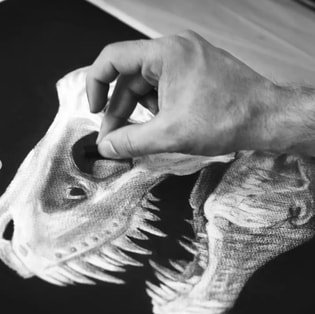
In an era where every creative choice carries environmental weight, artists are looking more carefully at the materials they use. For climate-conscious practitioners, charcoal has emerged as one of the most defensible choices available. Not just because it is natural or ancient, but because of what it actually does to carbon. What makes charcoal a sustainable art material Charcoal is produced by burning organic material in a low-oxygen environment. The result is a carbon-rich residue that, once made, is chemically stable. Unlike many synthetic pigments or petroleum-derived media, charcoal does not off-gas, does not degrade into microplastics, and does not require industrial processing to produce. For artists working on paper or canvas, it is also one of the most forgiving and expressive media available. It responds to pressure, blends intuitively, and produces a tonal range that rivals graphite without the metallic sheen. Generations of masters used it as a primary drawing tool. Today, its sustainability credentials give it a second layer of relevance. Biochar: the next step beyond charcoal Biochar takes the sustainability of charcoal significantly further. While conventional charcoal is primarily valued for its surface properties as a drawing medium, biochar is produced specifically to maximize carbon stability. Through a process called pyrolysis, agricultural waste is converted into a highly porous, carbon-dense material that can remain stable in the environment for hundreds to thousands of years. This stability is the key difference. A piece of wood stores carbon only as long as it avoids burning or decomposing. Biochar, once created, is resistant to both. When it is embedded in an artwork and sealed with fixative, the carbon it contains is effectively removed from the carbon cycle for the lifetime of the piece. Carbon sequestration embedded in the artwork itself At The Carbon Art, sustainability is not a theme applied to drawings from the outside. It is built into the DNA of the material. Every work in the collection uses charcoal and biochar as primary media, meaning the carbon in those materials is sequestered inside the artwork permanently. This is a verifiable, physical act of carbon storage. It is not an offset, not a pledge, and not a donation. It is chemistry embedded in fine art. How collectors are responding to carbon-storing art materials The shift in collector behavior over the past five years has been notable. Private buyers and corporate sustainability officers alike are asking harder questions about what they purchase and what it represents. Art that uses carbon-storing materials answers those questions in a way that no certificate or donation can replicate: the evidence is in the piece itself. Corporate collectors have used biochar artworks in their ESG reporting. Private collectors describe them as the most meaningful objects in their homes. The material choice is not incidental. It is the point. Charcoal and biochar in practice For artists considering a move toward more sustainable media, charcoal and biochar are accessible starting points. Charcoal sticks are widely available and work on most drawing surfaces. Biochar requires a little more preparation to use as a fine art medium but rewards that effort with a depth of mark and a stability that synthetic alternatives cannot match. For collectors, the choice of an artwork made from these materials is a simple one: beauty with a purpose that does not expire. To explore works made entirely from carbon-sequestering charcoal and biochar, visit the full collection at The Carbon Art.
The Charcoal Artist Raising Climate Change Awareness — Meet Abhi
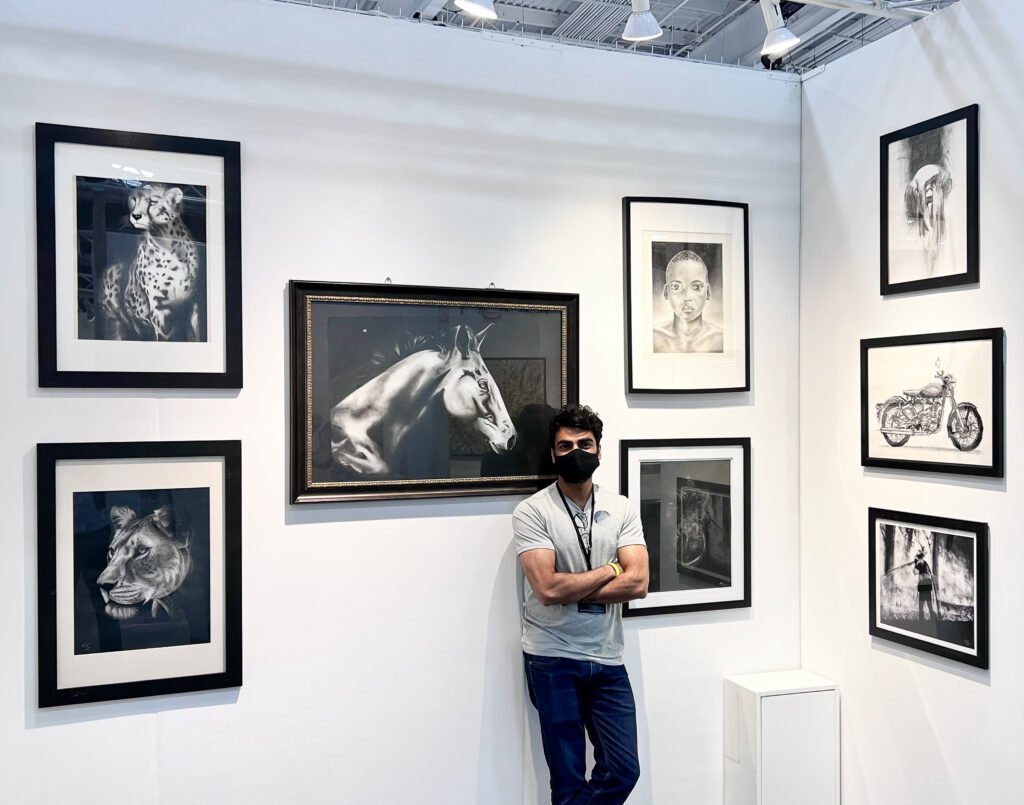
Abhijeet Shrivastava, known professionally as Abhi, is a White House-recognized urban designer and climate change artist whose charcoal and biochar artworks have been exhibited in more than 30 galleries worldwide. His practice sits at a rare intersection: rigorous climate science and serious fine art. He is known for his unique focus on climate change and sustainability, which is reflected directly in his materials. The medium he uses to convey this message is charcoal and biochar, both carbon-rich materials that permanently store atmospheric carbon within the artwork itself. Why charcoal became the medium of choice Charcoal is one of humanity’s oldest drawing tools. But for Abhi, it carries a deeper significance. Charcoal is carbon. When it is used to make art and fixed properly to a surface, that carbon is no longer in the atmosphere. It is locked inside the piece on your wall. Biochar takes this further. Produced through a process called pyrolysis, biochar is an exceptionally stable form of carbon that can remain sequestered for hundreds of years. Mixed with charcoal, it becomes both the medium and the message: a material that stores the very element at the center of our climate crisis. Climate change as the subject and the substance Most artists who engage with climate change do so representationally. They paint melting ice, draw dying ecosystems, photograph industrial pollution. Abhi does this too. But he goes a step further: the materials themselves participate in climate action. Each artwork from The Carbon Art is made with biochar and charcoal that has been sourced specifically for its carbon content. When a collector acquires a piece, they are not just buying a representation of climate concern. They are buying a verified act of carbon sequestration. Recognition and exhibitions Abhi’s work has been recognized by the White House for its contribution to climate awareness through art. He holds a degree from Columbia University’s Graduate School of Architecture, Planning and Preservation (GSAPP), and his work as a sustainability strategist has included advisory roles with Fortune 500 institutions on climate resilience and sustainable AI infrastructure. His artworks have been exhibited across more than 30 international exhibitions, reaching collectors and institutions across the United States, Europe, and Asia. The Carbon Art — where the work lives The Carbon Art is the artist’s primary platform for sharing and selling limited edition works. Each piece in the collection is available in a maximum edition of 15 and ships with a Certificate of Impact documenting the environmental contribution of that specific piece. Works span several themes: climate change and industrial impact, wildlife and biodiversity, cultural identity, and human resilience. Every piece shares a common foundation: charcoal and biochar applied with the intention of making something both beautiful and purposeful. If you are interested in the work, the full collection is available at thecarbonart.com. Corporate and private collector inquiries are welcome through the inquiry page.