Can Art Really Fight Climate Change?
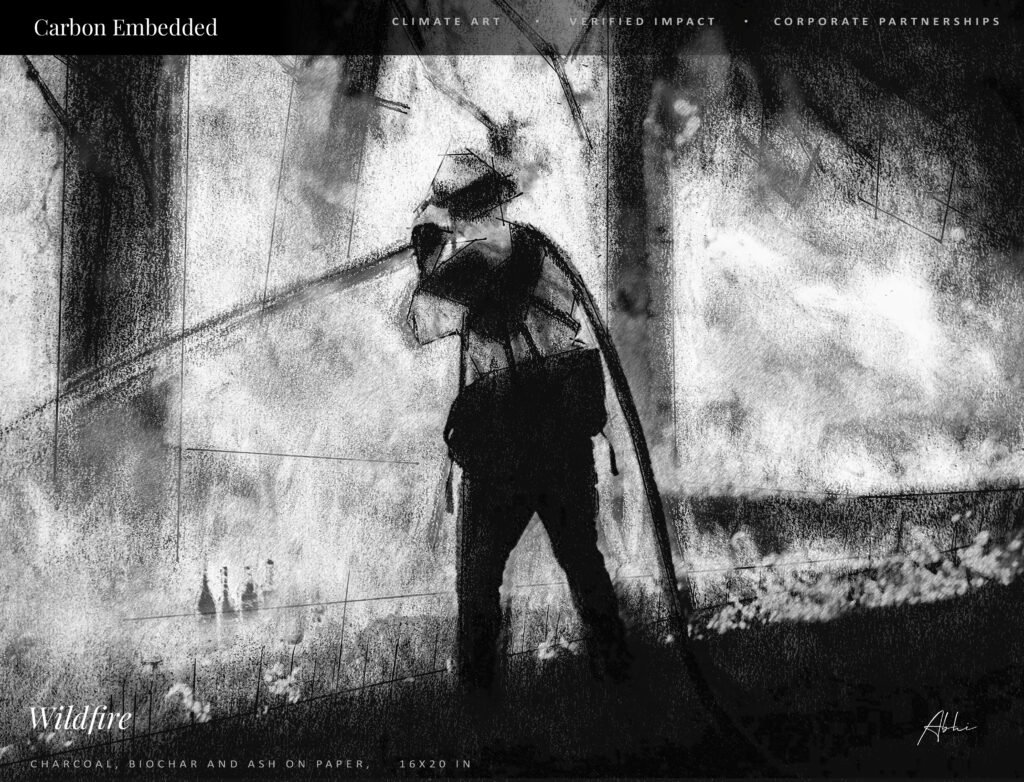
People often ask me a simple question: can art really make a difference in climate change? It is a fair question. Most of us grew up thinking of art as something emotional or decorative. Something that inspires, comforts, or sparks conversation. Rarely something that physically changes the environment. Yet that is exactly where my work began to shift. Over time, my studio practice became less about representation and more about responsibility. I started asking myself a deeper question. What if art could do more than raise awareness. What if it could participate in the solution? That question led to the creation of carbon-sequestering art: a form of artwork designed to store carbon in a stable material so it cannot return to the atmosphere. This approach connects creativity with climate science in a way that feels both practical and hopeful. The moment everything changed My journey into climate art did not start with a grand plan. It started with curiosity. As climate conversations intensified around the world, I began reading about soil health, regenerative agriculture, and carbon removal. One material kept appearing again and again: biochar. Biochar is created when organic material is heated in a low-oxygen environment. The result is a stable form of carbon that can remain locked away for hundreds of years. Here is how it is already being used: Farmers use it to improve soil health and water retention Scientists use it to remove carbon from the atmosphere at scale Communities use it to restore degraded land At some point, a simple idea surfaced: if biochar can store carbon in the ground, could it also store carbon in art? That question became the foundation of my practice and ultimately the inspiration behind The Carbon Art. Art that does more than speak Many artworks explore environmental themes: paintings of melting glaciers, photographs of drought landscapes, sculptures made from recycled materials. These works are powerful and necessary. They help us see the problem. I wanted my work to do something else. I wanted the artwork itself to become a small climate action. When biochar or carbon-rich charcoal is embedded into a piece and sealed properly, the carbon remains stored in a stable form. That means the artwork is not only telling a story about climate change. It is participating in climate mitigation in a tangible way. This shift transformed how collectors responded to the work. Conversations changed. The questions became more technical and more hopeful: How much carbon does this piece store? Where does the material come from? What impact does this create over time? Those questions are signs of a new relationship between art and responsibility. Why people are bringing climate art into their homes One of the most meaningful parts of this journey has been seeing where the artwork ends up. Carbon-sequestering art is now living in spaces like these: living rooms, workspaces, hallways, community centers, and corporate offices. Each installation becomes a daily reminder that climate action is not limited to scientists or policymakers. It can exist in the spaces where we live and work. Collectors often tell me they want their home to reflect their values. They want beauty. They want meaning. They want something that sparks conversation when guests walk into the room. Carbon-sequestering art offers all of that, with an added dimension of purpose. It quietly holds carbon, invites dialogue, and connects personal space to planetary responsibility. The role of art in the climate movement Climate change can feel overwhelming. The scale of the challenge is enormous, and the solutions often seem distant or technical. Art has the power to bridge that gap. It translates complex ideas into human experience. It makes abstract data visible. It helps people feel connected to solutions rather than paralyzed by the problem. The United Nations Environment Programme has emphasized the importance of cultural engagement in climate action. Art reaches people in ways that reports and charts cannot. What makes carbon-sequestering art different from traditional artwork The difference is not just aesthetic. It is functional. Traditional art expresses ideas and emotions. Carbon-sequestering art adds a measurable environmental role. It stores carbon intentionally. Materials are selected for their stability and environmental impact, not just appearance. It connects art to science. The process is grounded in established climate and soil research, with verified measurements. It creates a lasting legacy. The artwork becomes part of a long-term environmental story, year after year. For collectors who care about sustainability, this combination of beauty and responsibility feels deeply meaningful. A new kind of legacy Every generation leaves something behind: buildings, books, technology, art. Today, we also leave an environmental footprint. That reality can feel daunting, but it can also inspire creativity. Carbon-sequestering art invites a different kind of legacy. Instead of contributing to the problem, the artwork becomes part of the solution. It holds a small piece of carbon safely in place, year after year. It is a quiet act of stewardship. Why this work matters to me At the heart of my practice is a simple belief: art should reflect the time in which it is created. We are living in a moment defined by climate change, resilience, and innovation. Artists have always responded to the defining challenges of their era. Today, that challenge is environmental responsibility. Creating carbon-sequestering art is my way of participating in that response. It allows creativity to intersect with science and purpose. If you are looking for artwork that reflects environmental values and sparks meaningful conversation, the collection is at thecarbonart.com/shop. Each artwork represents a small but lasting commitment to climate responsibility. And sometimes, change begins with something as simple as the art on your wall. Explore carbon-sequestering art If this reflection resonates with you, the works that inspired it are available to view and collect at The Carbon Art. The full collection of limited edition charcoal and biochar artworks includes pieces on climate change, wildlife, cultural identity, and human resilience. Each one ships with a Certificate of Climate Impact. Corporate collectors can learn more on