When You Buy Art, the Earth Remembers
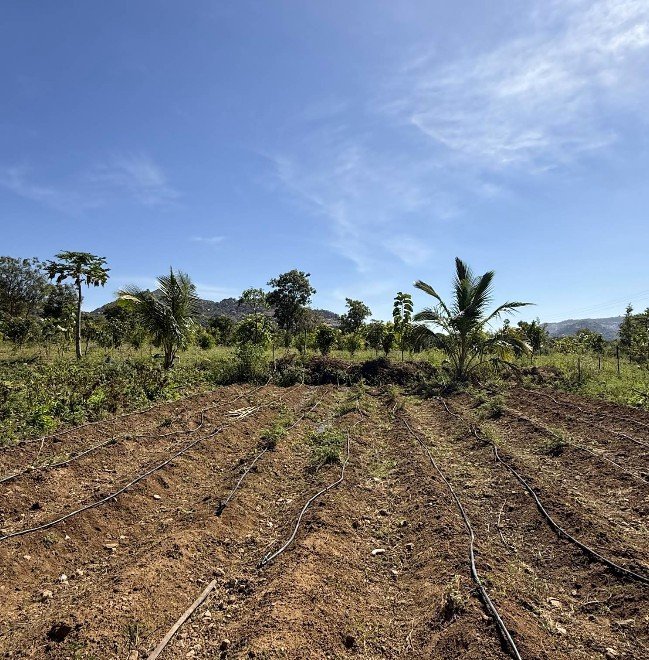
When You Buy Art, the Earth Remembers | The Carbon Art The Carbon Art Climate Impact Patronage Essay · The Carbon Art When You Buy Art,the Earth Remembers A new kind of collecting is taking shape — one where the art on your wall and the soil on working farmland are part of the same story. This is not charity. This is what legacy looks like. Climate Art Regenerative Agriculture Biochar Environmental Impact Collecting For centuries, collectors have shaped culture. Patrons built cathedrals, funded scientists, and established the institutions that still define how we understand the world. Today, a new form of patronage is quietly taking shape — one that turns the act of acquiring art into a measurable contribution to the planet we all share. This is not a donation. It is not a symbolic gesture. It is something more precise, more verifiable, and ultimately more meaningful: a direct connection between creative acquisition and real environmental work on the ground, carried out by real farmers in real places. Part One From Symbolism to Soil Environmental art has always raised awareness. That role matters and will continue to matter. But awareness alone does not restore degraded land, rebuild soil health, or pull carbon out of the atmosphere. The collectors, corporate leaders, and institutions that are shaping tomorrow are increasingly looking for something more concrete: outcomes they can point to, document, and stand behind. When an artwork is materially tied to regenerative agriculture, those outcomes become real. An acquisition through The Carbon Art can support the application of biochar to working farmland, restore soil microbial life, improve water retention, and lock carbon into the earth for hundreds of years. These are not projections. They are documented results — traceable, verifiable, and the kind that belong in an impact report or a board presentation. Collectors are no longer simply purchasing objects. They are participating in outcomes that will outlast them. That precision is what separates this model from traditional philanthropy. It is what makes it credible to people who think carefully about where their name goes and what it stands for. Part Two The Work Happening on the Ground Farmers at work on supported farmland. Biochar applied to soil rows improves fertility, water retention, and long-term carbon storage. When you look at this photograph, you are looking at the impact chain in action. Two farmers carry biochar compost across freshly prepared soil. Young plants stand in rows that stretch toward open hills. The dark marks across the earth are biochar application lines — carbon being returned to the ground where it can do its work quietly and permanently. This is the kind of scene that does not appear in most art transactions. But at The Carbon Art, it is exactly what happens when a collector acquires a work. The purchase funds this. The soil is the outcome. The farmer is the bridge between the art on your wall and the environment you care about. Biochar application increases soil fertility, improves crop yields, helps farming communities build resilience against drought, and stores carbon in the earth for centuries. The people who steward this land benefit directly — not as recipients of charity, but as partners in a system that works. Part Three How the Model Works Every acquisition follows a clear and transparent pathway from purchase to proven environmental outcome. It is designed to be simple, auditable, and easy to communicate — because the buyers and institutions who matter most to this work need all three. How Your Acquisition Creates Impact 1 You acquire the artwork The work is created using carbon-based materials, physically locking carbon inside the object you bring into your collection. 2 Impact funding is released A defined portion of every acquisition goes directly to regenerative agriculture on working farmland. No intermediaries, no ambiguity. 3 Biochar reaches the farmers Biochar compost is delivered and applied to the soil. Fertility improves. Crops grow stronger. Carbon is locked into the earth for the long term. 4 The outcome is documented The environmental result is recorded. You receive proof of what your acquisition made possible — not a promise of what it might do. 5 Your contribution is recognised Your participation in this climate legacy is acknowledged in a way that is yours to keep, display, or include in your reporting. Part Four What Carbon in a Bowl Means Biochar ready for application. This carbon-rich material improves soil health and stores carbon for hundreds of years. Those dark, irregular pieces are biochar — a form of carbon made by heating organic matter in a low-oxygen environment. It does not break down. Applied to soil, it creates stable pockets where nutrients and water collect, where microbial life flourishes, and where carbon remains locked away from the atmosphere for centuries. Biochar is also the material at the heart of The Carbon Art’s creative practice. The same substance that ends up in this bowl and in the earth also appears in the artworks themselves. That connection is not coincidental. It is the whole point. The object you acquire and the impact it creates share the same material origin. The carbon that was once a problem becomes the medium of an artwork — and then returns to the earth as part of the solution. The story goes full circle, from atmosphere to art to soil. Part Five What Every Collector Receives The most overlooked dimension in environmental giving is the collector’s experience. When a thoughtful person or institution associates their name with a cause, they are doing more than being generous. They are making a public statement about what they believe in and what they want to be remembered for. The Carbon Art is built to honour that fully. Certificate of Impact and Authenticity The ArtworkAn original carbon-sequestering work Impact CertificateDocumented proof of environmental action taken TraceabilityRegion, farming practice, and outcome on record Ongoing ReportingUpdates on the farmland your acquisition supported Collector RecognitionNamed participation in a growing climate legacy This is not a receipt. It is